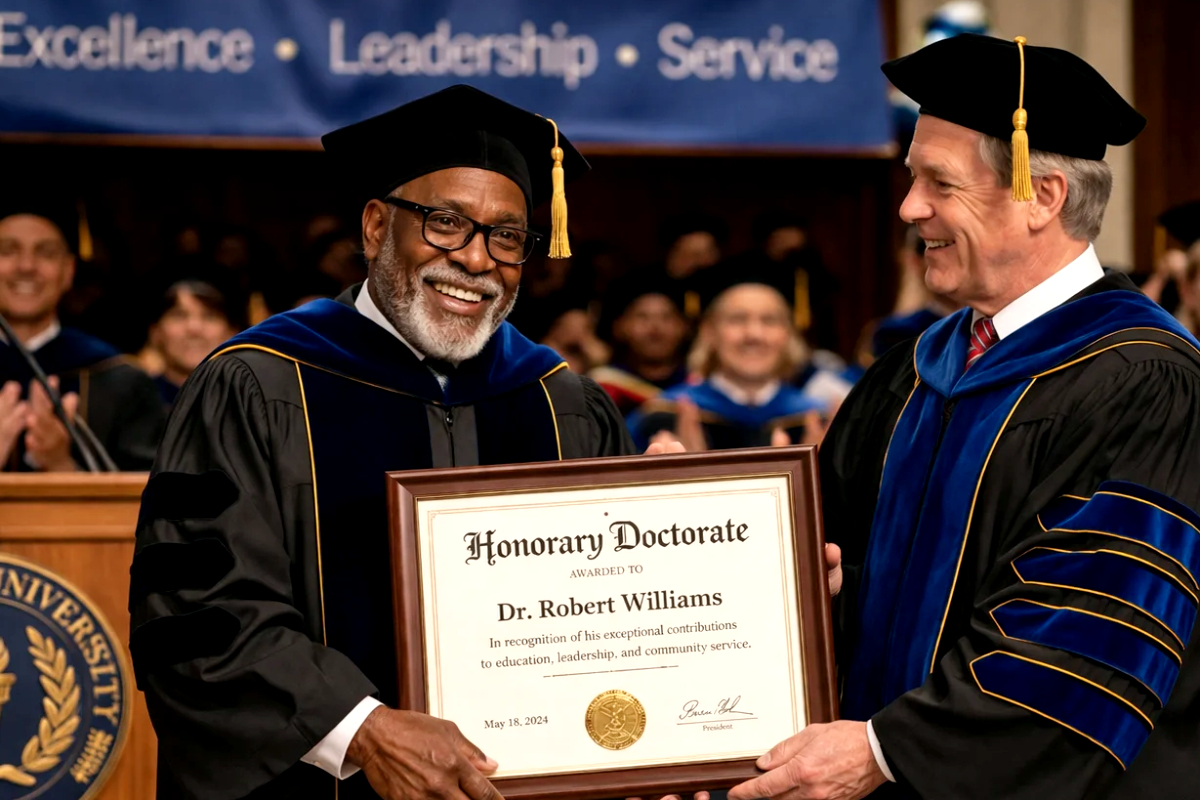
Recognition of public service, artistic achievement or a lifetime of contribution: the reasons are varied, and each says something about the awarding institution.
For the public, the practical takeaway is consistency. A legitimate honorary degree is awarded by an accredited institution, announced with reasons, free of charge to the recipient, and clearly labelled as honorary. Any offer that reverses those conditions — a fee, a vague awarding body, an implied professional qualification — belongs to the counterfeit market rather than to this centuries-old tradition.
Revocation is part of the tradition’s self-correction. Universities have withdrawn honorary degrees from honorees whose later conduct betrayed the values the award was meant to recognise — from financial scandals to serious misconduct. Such cases are rare and painful for institutions, but they demonstrate that the honour is a relationship of trust, not a perpetual asset.
The etiquette around titles is deliberately careful. Most universities ask honorary recipients to describe the award as honorary in every professional context, and many style guides discourage the use of Doctor on the basis of an honoris causa award alone. Recipients who respect the distinction enhance both their own reputation and the institution’s; those who exploit the ambiguity do lasting damage to both.
Historians generally place recognisable honorary conferrals in the late fifteenth and sixteenth centuries, when leading scholars and statesmen received degrees that spared them the fees and years of residence. The custom spread across Europe and later to the Americas, adapting to each academic culture while keeping the same core idea: the university lends its authority in order to honour, not to certify.
An honorary award is a public statement of values. When the criteria are transparent and the recipient deserving, the honour enriches both sides — and cannot be bought.
Comments 0
No comments yet. Be the first one!
Leave a Comment